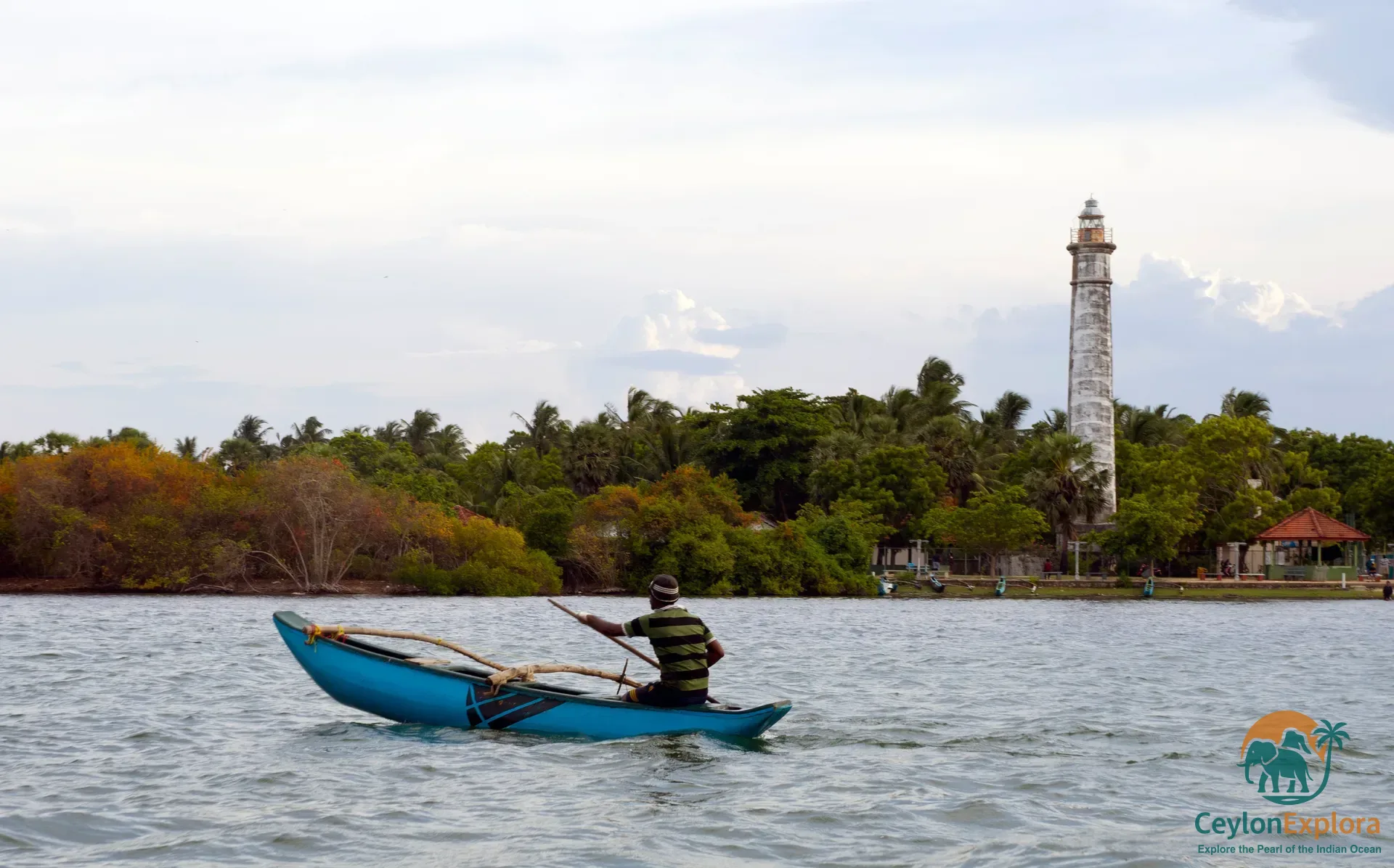
Batticaloa Lagoon
Vast 6,000-hectare tidal lagoon at Batticaloa, famous for the 'singing fish' acoustic phenomenon heard on calm full-moon nights.
Duration
2-3 hours
Entry Fee
Free
Difficulty
easy
Budget
free
About Batticaloa Lagoon
Batticaloa Lagoon covers roughly 6,000 hectares and is separated from the Indian Ocean by a thin barrier island, making it one of the largest coastal lagoons in Sri Lanka. The lagoon is famous locally and in scientific literature for the 'singing fish' phenomenon: on calm nights around the full moon, a mysterious humming sound rises from the water, described variously as a low organ note, crickets, or distant bells. Scientists attribute the sound to the feeding or breeding behaviour of a species of catfish or mollusc, though the exact cause remains debated. Boat tours of the lagoon depart from the Kallady Bridge area, passing mangrove channels, bird roosts, and small fishing villages built on stilts. The Dutch colonial Batticaloa Fort, still in use as a government office, sits on the lagoon edge near the Kallady Bridge.
Highlights
- Famous 'singing fish' acoustic phenomenon on full-moon nights
- 6,000-hectare coastal lagoon, one of the largest in Sri Lanka
- Mangrove channels with kingfishers, egrets, and pelicans
- Batticaloa Dutch Fort on the lagoon edge
- Fishing villages built on stilts over the water
Practical Tips
To hear the singing fish: rent a boat and hold an oar in the water on a calm full-moon night from about 10 PM.
The Kallady Bridge area is the easiest launch point for lagoon boat tours.
Batticaloa Dutch Fort admission is free and the outer walls are worth a 20-minute walk.
Morning is best for birds; kingfishers and purple herons are common along the mangrove edges.
Explore by Interest
Best Time to Visit
Best time of day: May to September (eastern dry season, calm nights)
Location
Planning Info
- Crowd level
- Usually quiet
- Physical difficulty
- easy
- Setting
- outdoor
- Child friendly
- Yes
- Senior friendly
- Yes
- Budget level
- free
- Photography
- ★★★☆☆
Plan Your Visit
Want to include Batticaloa Lagoon in your Sri Lanka itinerary? Our team builds personalised plans: no booking fees, no online payment.


PLAN YOUR VISIT
Ready to explore Batticaloa Lagoon?
Tell us your travel dates, group size, and preferences. Our team will build a personalised itinerary with accommodation, transport, and entry tickets: no booking fees, no online payment required.