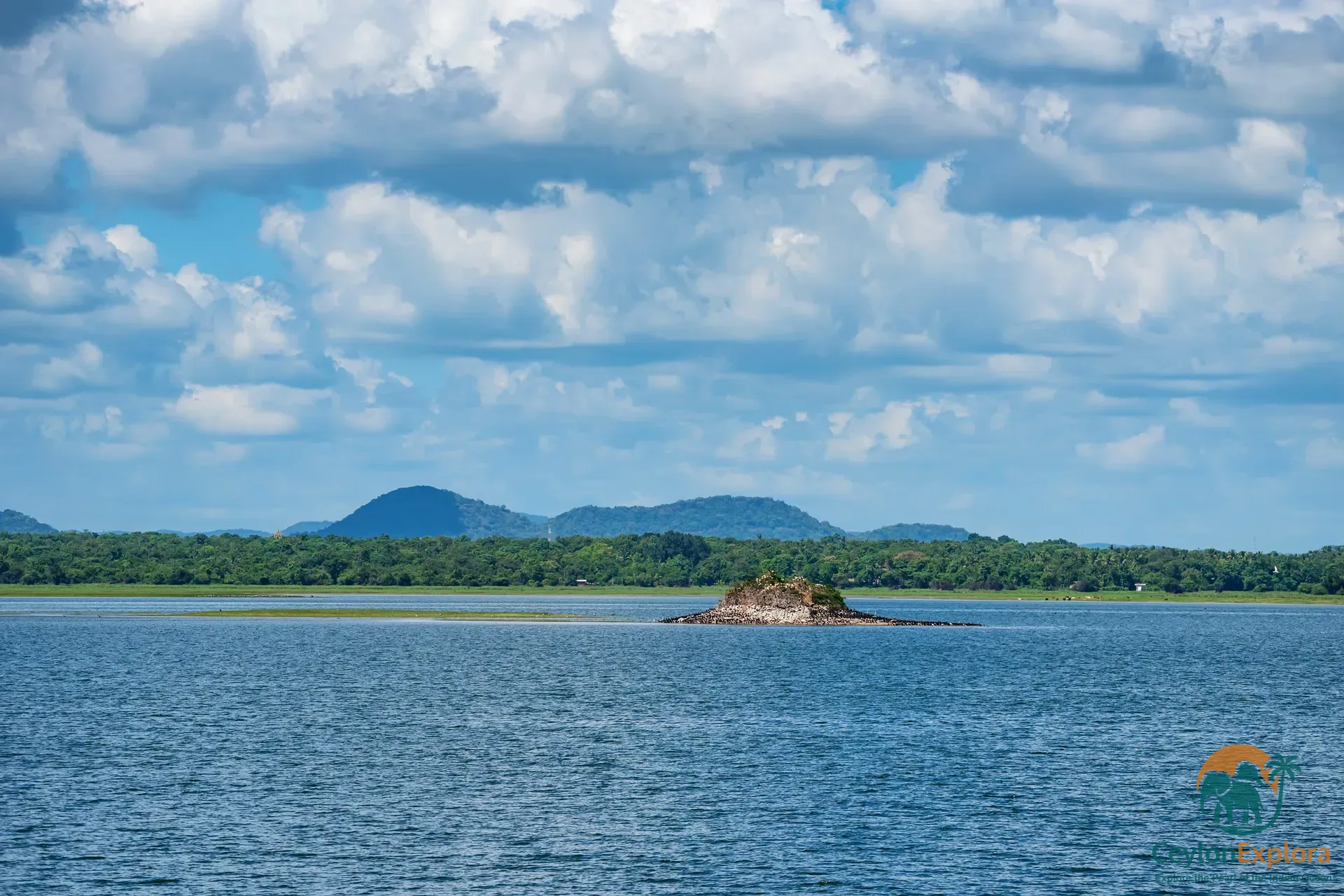
Parakrama Samudra
12th-century reservoir built by King Parakramabahu I, covering 2,600 hectares with a 14km embankment, still irrigating farmland today.
Duration
1-2 hours (bund walk and statue)
Entry Fee
Free
Difficulty
easy
Budget
free
About Parakrama Samudra
Parakrama Samudra, meaning 'Sea of Parakrama', was completed in the 12th century by King Parakramabahu I by connecting several smaller ancient tanks into a single reservoir spanning approximately 2,600 hectares. The encircling embankment runs for about 14 kilometres and at its peak controlled enough water to irrigate the entire Polonnaruwa district. The king famously declared that not a single drop of rain should reach the sea without serving mankind first, a principle that drove Sri Lanka's ancient hydraulic civilisation. The reservoir is still in active agricultural use today, an 800-year-old piece of infrastructure that feeds surrounding rice paddies. At its western bund stands a large granite figure of a meditating sage, possibly King Parakramabahu himself, and the bund walk at sunset with views over the water is one of the most pleasant in the ancient city.
Highlights
- 2,600 hectares, one of the largest ancient reservoirs in Asia
- 14km embankment, still in active agricultural use after 800 years
- Built by King Parakramabahu I, 12th century
- Monumental granite statue of a meditating sage on the western bund
- UNESCO World Heritage Site precinct
Practical Tips
Walk the western bund at sunset (5:30pm–6:30pm) for the best light and views across the water.
The granite sage statue is on the western bund, about 1km from the Polonnaruwa museum; easy to reach by bicycle.
No entry fee for the public bund walk; Polonnaruwa archaeological ticket not required for the reservoir itself.
Combine with the Royal Palace ruins and Vatadage in the same morning for a full Polonnaruwa day.
Explore by Interest
Best Time to Visit
Best time of day: Sunset year-round; dry season (May to September) when water levels are lower and birds concentrate at the edges.
Location
Planning Info
- Crowd level
- Usually quiet
- Physical difficulty
- easy
- Setting
- outdoor
- Child friendly
- Yes
- Senior friendly
- Yes
- Budget level
- free
- Photography
- ★★★☆☆
Plan Your Visit
Want to include Parakrama Samudra in your Sri Lanka itinerary? Our team builds personalised plans: no booking fees, no online payment.
ALSO IN THE AREA
Nearby Destinations
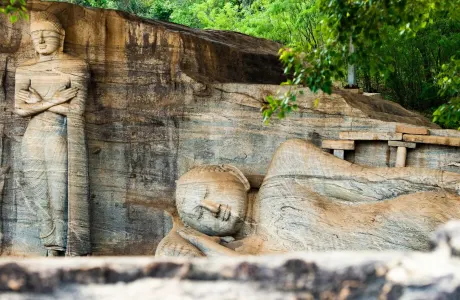
Gal Vihara
12th-century rock sanctuary with four Buddha figures carved directly into a single granite face, including a 14m reclining parinirvana Buddha.
Explore →
Rankot Vihara
12th-century stupa standing 55m tall, the fourth largest in Sri Lanka, built by King Nissanka Malla in the Polonnaruwa ancient city.
Explore →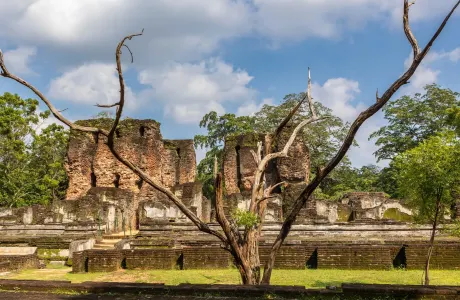
Royal Palace of King Parakramabahu I
12th-century palace ruins in Polonnaruwa, originally a seven-storey structure with 1,000 rooms, built by King Parakramabahu I around 1153 AD.
Explore →
Polonnaruwa Vatadage
12th-century circular relic house in Polonnaruwa with four seated Buddhas at the cardinal points, considered the finest example of its architectural form.
Explore →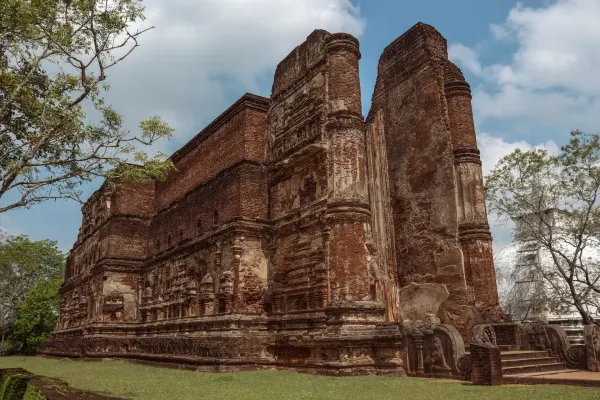
PLAN YOUR VISIT
Ready to explore Parakrama Samudra?
Tell us your travel dates, group size, and preferences. Our team will build a personalised itinerary with accommodation, transport, and entry tickets: no booking fees, no online payment required.