

Sri Lanka works well as a family destination for reasons that are easy to underestimate from a distance. The distances between the main sites are short enough that no single day's travel has to be punishing. Wildlife experiences are exciting for children rather than requiring adult-level patience and historical context. The food culture, though spicy, produces enough mild options to keep even fussy eaters fed. And the beaches, if you pick the right ones for the right season, are among the calmest and safest in the Indian Ocean.
The planning decisions that matter most for families are different from those for solo or couples travel. This guide focuses on those decisions: which beaches are safe for young swimmers, which cultural sites work at which ages, the logistics that most travel guides skip (car seats, dengue, children's medication, managing heat), and how to pace an itinerary so you are not spending half the trip in transit with tired children.
Getting the Season Right First
Sri Lanka has two monsoon seasons that affect opposite coasts. The most common mistake families make is booking beach time on the wrong coast for their travel dates.
November to April: The south and west coasts (Bentota, Hikkaduwa, Mirissa, Unawatuna, Galle) are dry and calm. The east coast (Pasikudah, Trincomalee, Arugam Bay) is affected by the north-east monsoon and can be rough.
May to October: The south-west monsoon makes the west and south coasts rough and unsuitable for family swimming. The east coast clears up and becomes calm. This is when Pasikudah and Trincomalee are at their best.
Hill country and cultural sites (Kandy, Sigiriya, Dambulla, Ella) are accessible year-round, though March to May is generally drier in the highlands.
The Best Beaches for Families
Pasikudah (East Coast): the clearest recommendation for young children
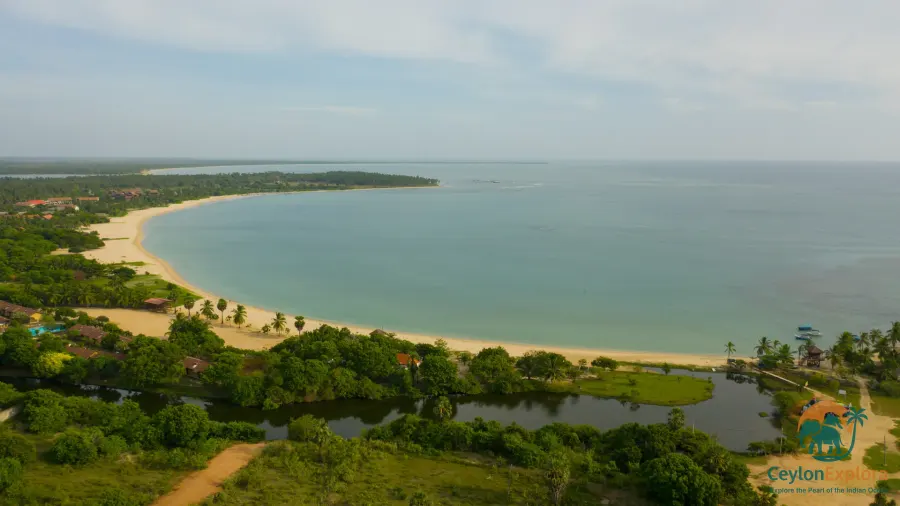
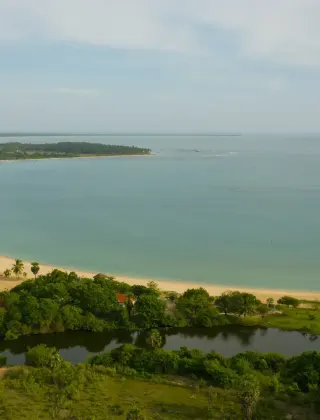
Pasikudah is the most family-friendly beach in Sri Lanka. A natural offshore reef sits approximately 150 to 400 metres from shore at its widest extent, creating a protected lagoon where the water is waist-deep for adults well out from the shoreline, with minimal wave action and no significant rip currents inside the protected area. Children can wade independently without the concerns that apply to ocean-facing beaches elsewhere on the island.
The trade-off is timing: Pasikudah is on the east coast, meaning the dry season runs from May to September. Several resorts line the beach. The nearest town is Kalkudah, approximately 35 km north of Batticaloa.
Bentota Lagoon (West Coast): calm water, November to April
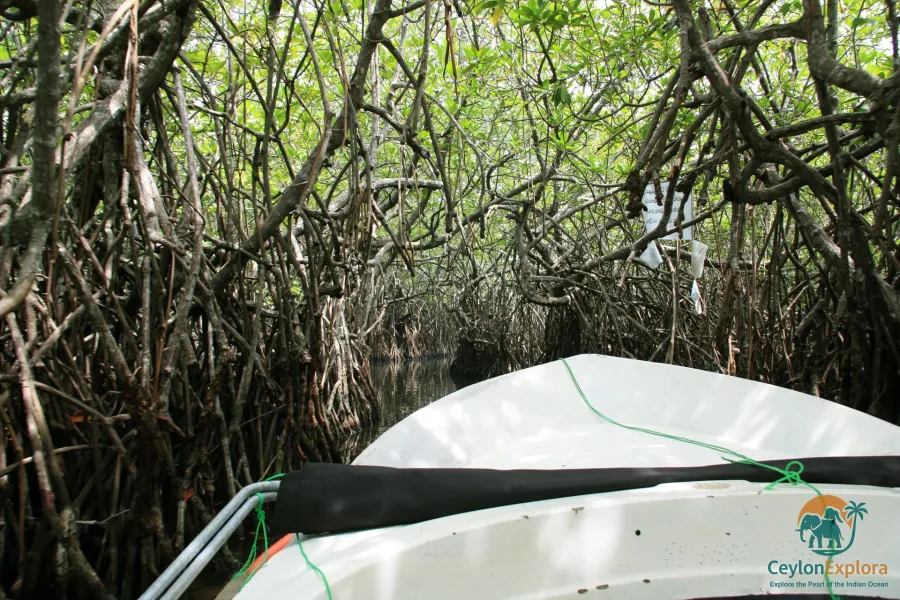
The Bentota River forms a lagoon behind the beach at Bentota that is calm, shallow, and safe for young children. This is specifically the lagoon side, not the ocean-facing beach. The lagoon is best from November to April, in line with the south-west coast dry season. Several family-friendly resorts sit directly on or near the lagoon.
Beaches to Use with Caution
Hikkaduwa's outer reef breaks produce surf conditions attractive to experienced swimmers but hazardous for children and non-swimmers, with documented rip currents at unpatrolled sections. Mirissa and the outer stretches of Unawatuna also have rip current history. Sri Lanka does not have a nationally standardised lifeguard system; flag conditions vary by beach and are not consistently enforced. If you are unsure whether conditions are safe on a given day, ask staff at your accommodation or a local operator before your children enter the water.
Wildlife with Kids
Udawalawe Elephant Transit Home
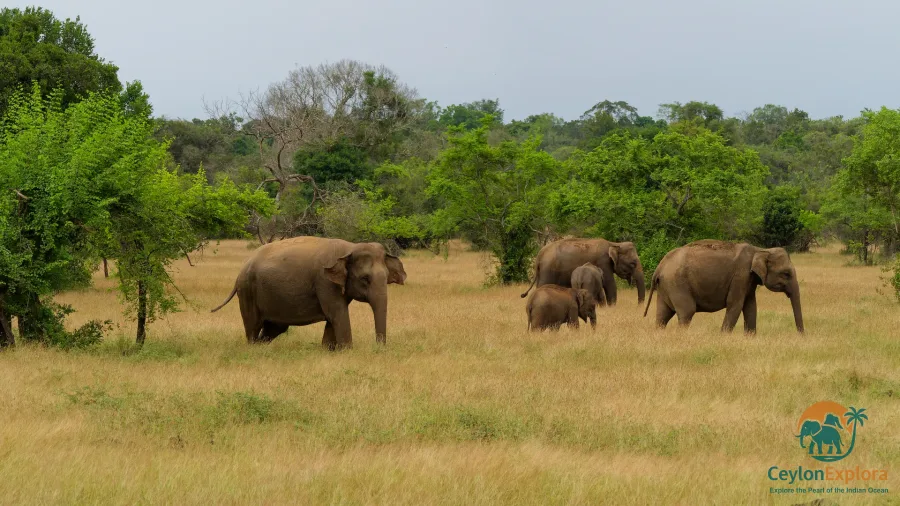
The Elephant Transit Home at Udawalawe is the elephant experience we most often suggest for families. The facility, operated by the Department of Wildlife Conservation since 1995, rescues orphaned calves, rehabilitates them with minimal human contact, and releases them into the wild at around five years old. Visitors watch from an elevated observation deck. There is no riding, no posing with animals, and no direct contact. For children, seeing young elephants being bottle-fed in a noisy, energetic group is engaging regardless of age.
Feeding viewings are held several times daily (confirm the current schedule with the ETH on arrival, as times have been revised). Entry costs approximately $5 USD per adult; reduced rates for children. No advance booking required.
Minneriya and the Elephant Gathering

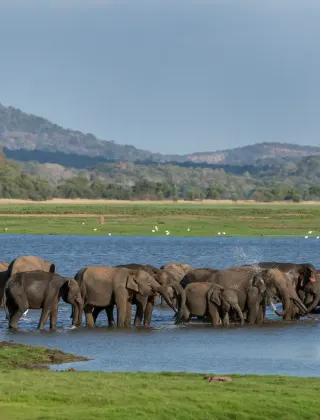
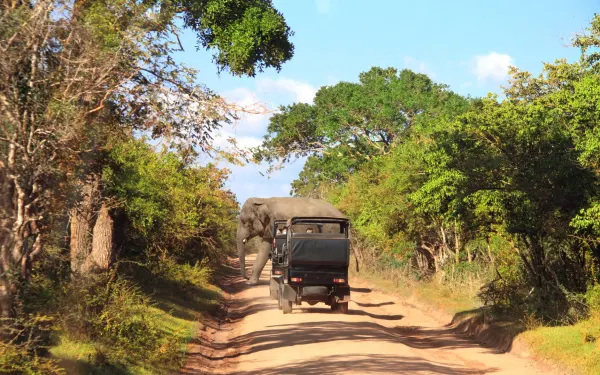
From July to October, hundreds of wild elephants converge on the Minneriya reservoir as the dry season exposes fresh grassland on the lake bed. Gatherings of 200 to 400 animals visible simultaneously have been documented; peak weeks are August and September. A two to three-hour jeep safari in the late afternoon is the standard format. This is suitable for children of any age who can manage a few hours in a hot vehicle; bring shade, water, and snacks.
Pinnawala Elephant Orphanage
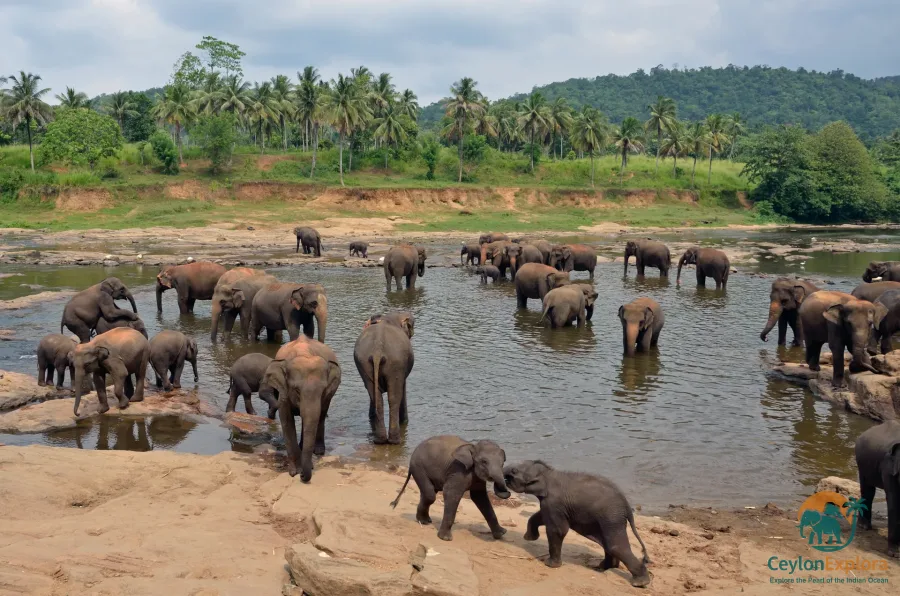
Pinnawala Elephant Orphanage, near Kegalle on the road between Colombo and Kandy, has operated under the Department of National Zoological Gardens since 1975. It is open daily from 8:30 am to 5:00 pm, with scheduled bottle-feeding sessions and the well-known river bathing walks at around 10:00 am and 2:00 pm. Non-SAARC foreign entry is USD 17.70 for adults and USD 8.85 for children aged 3 to 12 (SAARC rates: USD 11.80 adult, USD 5.90 child). Between Pinnawala, the Udawalawe Elephant Transit Home, and wild herds in Minneriya or Udawalawe National Park, we can include whichever fits your family's route and interests.
Cultural Sites: What Works at What Age
Sigiriya (Lion Rock): ages 6 and up
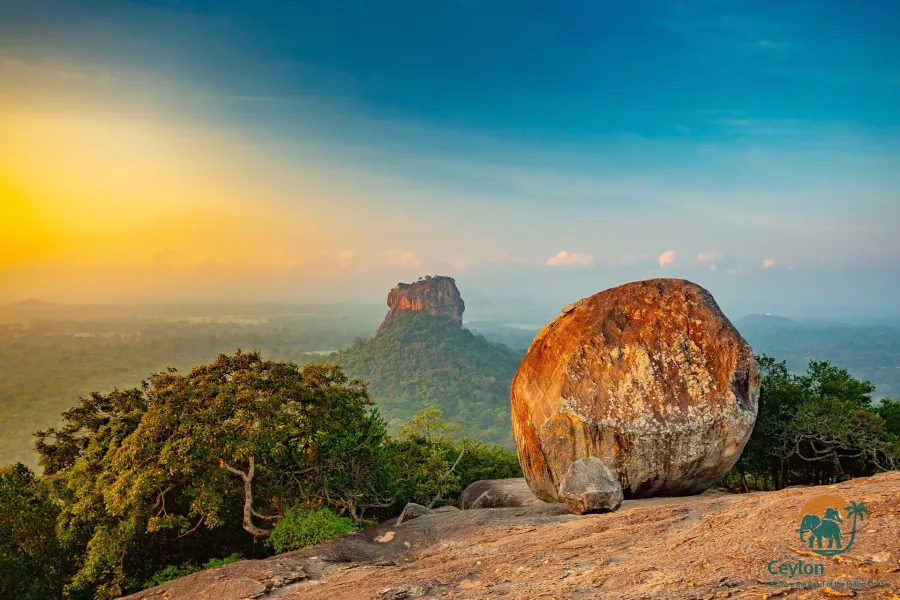
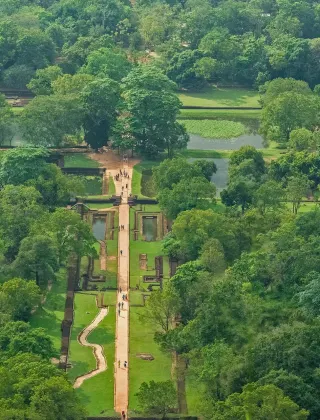
The climb involves approximately 1,250 steps including exposed metal staircases with open drops to the side. Children under five must be carried for significant sections, which requires a fit adult. The minimum realistic age for independent climbing is around six to seven, with good fitness and no fear of heights. The site opens at 7:00 am; arriving at opening dramatically reduces heat exposure and avoids the worst congestion at the narrow staircase sections that develop from mid-morning. Entry: USD 35 for foreign adults, USD 20 for children aged 6 to 12, as of Sep 2026 (CCF's own live price table; verify at ccf.gov.lk/ticket-issuance).
More accessible alternative for younger children: Pidurangala Rock, 1 km from Sigiriya, has an elevated view across to Sigiriya Rock. Entry to Pidurangala is collected at the temple gate, reported between LKR 500 and LKR 1,000 (roughly $2-3), cash; confirm on arrival. The final section involves some scrambling over boulders, suitable for children aged 8 and above who are comfortable on uneven terrain.
Dambulla Cave Temple: ages 4 and up
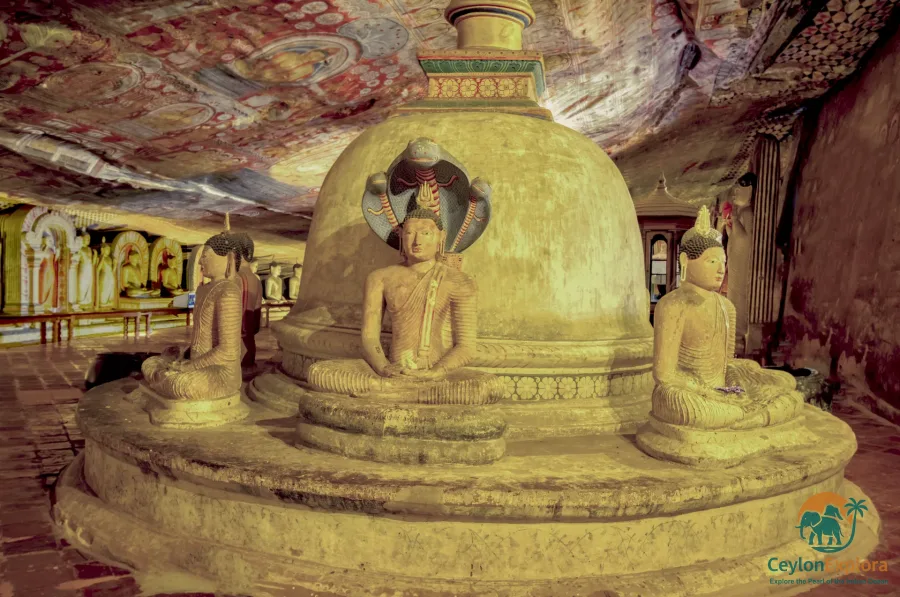
The approach is a 20-minute uphill walk on a paved path. The cave interiors are cool, dimly lit, and hold five large chambers of Buddhist statuary including a 15-metre reclining Buddha. Children aged 4 and above generally engage well with the cave atmosphere. Shoes must be removed at the entrance. Note the significant monkey population on the access path: keep food in closed bags and do not feed or approach the monkeys. Entry is collected by the temple directly, not part of CCF's national ticketing system; commonly cited around $5-10.
Temple of the Sacred Tooth Relic, Kandy: all ages
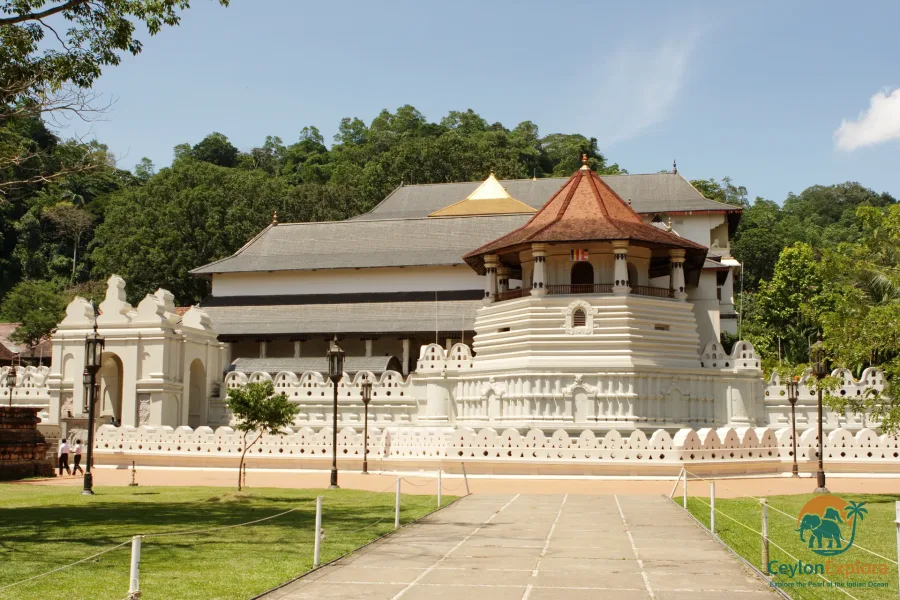
Flat access, relatively short visit (30 to 45 minutes for the main hall), and the drum ceremony at puja time (5:30 am, 9:30 am, 6:30 pm) is an atmospheric experience for children and adults alike. Dress code applies: shoulders and knees covered; sarongs are available for rent at the entrance. Non-SAARC foreign adult entry was revised to LKR 3,000 (approximately $9 USD; LKR 2,500 for SAARC, Thailand, and Myanmar adults), covering the temple and on-site museums (buy at the official automated counters inside).
Kandyan Dance Show: ages 4 and up
A one-hour performance of traditional Kandyan, Low-Country, and Sabaragamuwa dances, including plate-spinning and a fire-walking finale. Shows run daily at several venues in Kandy, and performances typically start at about 5:00 pm. One hour is a manageable duration for young children and the visual energy of the dancing and costuming holds attention well. Standard admission runs roughly LKR 2,000 to 2,500 at municipal and association halls (such as YMBA and Red Cross), and higher at commercial lakefront venues (such as Kandy Lake Club); verify current rates at the door.
Kandy Esala Perahera: ages 5 and up, with planning

Sri Lanka's largest religious procession runs over ten nights in July to August, with elaborately decorated elephants, Kandyan drummers, and thousands of participants. The final five nights (Randoli Perahera) draw enormous crowds, impractical for families with pushchairs and difficult with toddlers in tight spaces. For families, aim for the Kumbal Perahera (first five nights) when crowds are smaller. Arrive at least two hours before the procession starts to secure a seated grandstand position. The procession begins around 9:00 to 9:30 pm; accept that it is a late night and plan accordingly.
Train Travel with Children
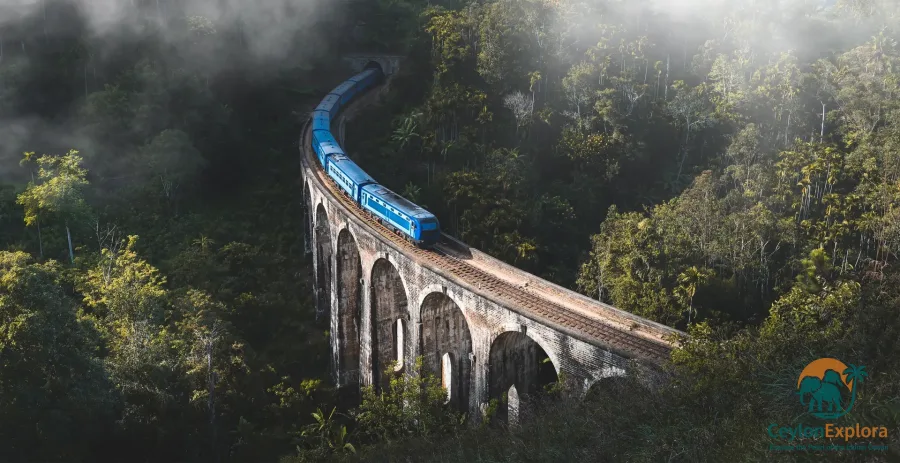
The direct Kandy to Ella train is not running at the moment. Cyclone Ditwah damaged the line between Rambukkana and Kadugannawa in November 2025, and repairs remain ongoing as of November 2026, with estimates targeting late 2026 or early 2027 for full reopening. The scenic tea-country section from Nanu Oya to Ella is running, with two return trips a day from Nanu Oya, at 09:00 and 14:30.
For families, the practical plan is to travel from Kandy to Nanu Oya by road, which takes 2.5 to 3 hours, and ride the train from Nanu Oya to Ella. There is no luggage storage at Nanu Oya station, so with a private driver the car carries the bags and meets you at Ella, and the children only have the train ride to manage. The shorter section suits children from around five. Train tickets are subject to availability, and we can arrange them as part of a trip. Seats on this line can sell out at weekends and in peak season, so check the current status at railway.gov.lk before planning around it.
Practical Logistics
Car Seats
Car seats are not standard equipment in Sri Lanka's taxis or tuk-tuks, and families who ask for one on the day are often disappointed. Ask about child seats when you enquire, well before you travel, or bring your own from home. Bringing your own is the safer option for families with infants. Tuk-tuks have no provision for car seats and are not appropriate for infant travel.
Children's Medication
Bring a full supply from home. Liquid paracetamol (the Calpol equivalent) is available in Colombo at specialist baby and child retailers and larger pharmacies, but it is difficult to source in rural areas, hill country towns, and national park zones. Arriving in Ella or Tissamaharama after hours needing children's fever medicine is a situation worth avoiding. Pack: paracetamol, ibuprofen, oral rehydration sachets, antihistamine, and any prescription medication plus a small first-aid kit.
Dengue Awareness
Dengue is an active health risk in Sri Lanka, including in tourist areas. Aedes mosquitoes that transmit dengue bite during daylight hours, particularly in the morning and late afternoon, and are most common in urban and peri-urban areas. Sri Lanka regularly records tens of thousands of dengue cases annually, with years of significant outbreak activity through the 2020s. In children, dengue can be more severe than in adults.
Prevention is practical: use DEET-based insect repellent on exposed skin throughout the day, dress children in long sleeves and trousers during dawn and dusk, use a mosquito net for sleeping children in accommodation without air conditioning, and eliminate standing water around your accommodation. There is a dengue vaccine (Dengvaxia) but it is recommended only for children aged four and above who have had a previous dengue infection, not for first-time travellers.
Sri Lanka was declared malaria-free by the WHO in September 2016. Antimalarial medication is not recommended for standard tourist itineraries, but consult your GP or travel health clinic before departure.
Heat and Sun
Sri Lanka sits near the equator and the UV index regularly reaches 12 to 14 (extreme) at coastal locations. Midday temperatures in the lowlands range from 30 to 35°C with high humidity. Young children are more vulnerable to heat than adults and may not communicate thirst accurately in tropical conditions.
Plan outdoor sightseeing for before 10:00 am and after 4:00 pm. During midday hours, stay indoors, at the pool, or at beach-side accommodation. Apply SPF 50+ sunscreen to all children and reapply every two hours; both sand and water reflect UV. Wide-brim hats are essential, not optional. Push water constantly; the standard guidance is 150 to 200 ml of fluids per hour for children in tropical heat.
Vehicle Options by Family Size
Choosing the right vehicle makes a major difference once car seats, strollers, and luggage are loaded:
Sedan (up to 2 adults + 1 young child): Suits small families travelling light, though boot space fills quickly with a stroller.
SUV (3 to 4 people): Extra legroom, higher ride height on mountain roads, and room for child seats without cramping.
High-roof tourist van (Toyota HiAce / KDH, 4 to 7 people): The best fit for families of four or more, giving children space to stretch out and plenty of luggage room for strollers and extra bags.
Private mini-coach (8+ people): Ideal for extended or multi-generational families travelling together in one vehicle rather than splitting across separate cars.
With a dedicated vehicle and driver-guide, you stop whenever children need a break rather than working around fixed bus or train timetables.
Hotel Room Types by Family Size and Age
Sri Lankan star-class hotels and resorts offer several room layouts depending on your children's ages:
Infants and toddlers (under 5): Standard double or deluxe rooms with a pre-booked baby cot keep young children close at night.
Families with younger children (ages 5 to 11): Look for dedicated family suites, triple rooms, or quad rooms with extra beds so everyone stays together.
Families with teenagers or two-generation groups: Interconnecting (adjoining) rooms give parents and older children separate bathrooms and privacy while staying connected through an internal door.
Accessibility note: When travelling with a stroller or grandparents, ask for ground-floor rooms or properties with an elevator, as many boutique hill-country hotels are multi-storey without lifts.
Kid Meal Options, Food Safety, and Allergies
Star-class hotels and family resorts reliably prepare mild, kid-friendly meals alongside local dishes: plain steamed rice, mild dhal, egg or cheese omelettes, plain pasta, toast, pancakes, fresh fruit, and mild grilled chicken or fish on request. Larger hotels also run varied breakfast and dinner buffets that make fussy eaters easy to feed.
Sri Lankan cooking uses coconut milk as a base ingredient in most curries, sambols, and desserts, so families managing a severe coconut allergy should notify hotels in advance and consider villa or suite stays with kitchen access. Peanuts appear in some snacks; ask specifically about "rata kadala" (roasted peanut) or groundnut oil if peanut allergy is a concern.
To prevent stomach upsets and food poisoning: never drink tap water (use sealed bottled water from recognised brands with an SLS certification mark, including for children's teeth brushing), avoid pre-cut roadside fruit cups and raw salads at informal stalls, stick to freshly cooked hot dishes or whole fruits you peel yourself, and be cautious with ice outside established hotels and reputable restaurants.
Things to Avoid, Healthcare, and Hospitals
Beyond unpatrolled ocean currents and midday sun, keep a few simple rules in mind: do not feed or approach wild monkeys around temples (especially Dambulla and Kandy), avoid stray dogs, and skip unvetted roadside food carts for young children.
Sri Lanka has reliable private healthcare with English-speaking doctors and 24/7 emergency departments in major hubs. In Colombo, Lanka Hospitals, Asiri Central / Surgical, and Nawaloka Hospitals offer international-standard outpatient and paediatric care. Outside Colombo, Asiri Hospital Kandy, Asiri Hospital Galle, and the Teaching Hospital Karapitiya (Galle) are the main referral centres. Carry comprehensive family travel insurance, bring oral rehydration salts (ORS) and children's fever medication from home, and seek a doctor promptly if a child develops a persistent fever or dehydration.
Pacing the Itinerary
Sri Lanka looks small on a map. In practice, the mountain roads between the cultural triangle, the hill country, and the coast are slow and winding. The Kandy to Ella drive takes four to five hours. Colombo to Kandy takes two and a half to three and a half hours. Families who plan seven or eight destinations in ten days spend most of the trip in vehicles with increasingly tired children.
A realistic pace for families with children under ten is three to four nights per location before moving. A ten-day trip works well structured as: two nights near the airport (Negombo or Colombo), three nights in the cultural triangle (Dambulla or Sigiriya area), three nights in Ella or the hill country, and two nights at a family beach (Bentota in season, or fly to Trincomalee and Pasikudah if travelling in summer). This leaves room for rest days, which young children need.
Planning Your Family Trip
Getting the season, beach choice, and pace right transforms a Sri Lanka family trip. Getting any of them wrong makes it harder than it needs to be. Contact Ceylon Explora at hello@ceylonexplora.com or via WhatsApp at +94 71 777 7558. We design family-specific itineraries that account for children's ages, travel dates, and the things that never appear on a map but matter most on the ground.
Travelling with children is easier when the logistics are handled for you. With Ceylon Explora you get a dedicated vehicle and a professional driver-guide for the whole trip, so there are no bus stops or roadside fare negotiations with young children in tow. We evaluate your hotel picks, or help you choose family-friendly stays that are safe and comfortable, and we plan each day around heat, distances and your children's energy using local knowledge of what works. Tell us your dates and your children's ages, and we will plan the route and book your hotels at good rates with a choice of options, so you can enjoy the trip from start to finish.



From Fellow Travellers
Comments
No comments yet
Been here, or planning your own trip? Share your experience below and help the next traveller.
Leave a Comment
Comments are reviewed before publishing. No links, please. Email is optional and never shown.