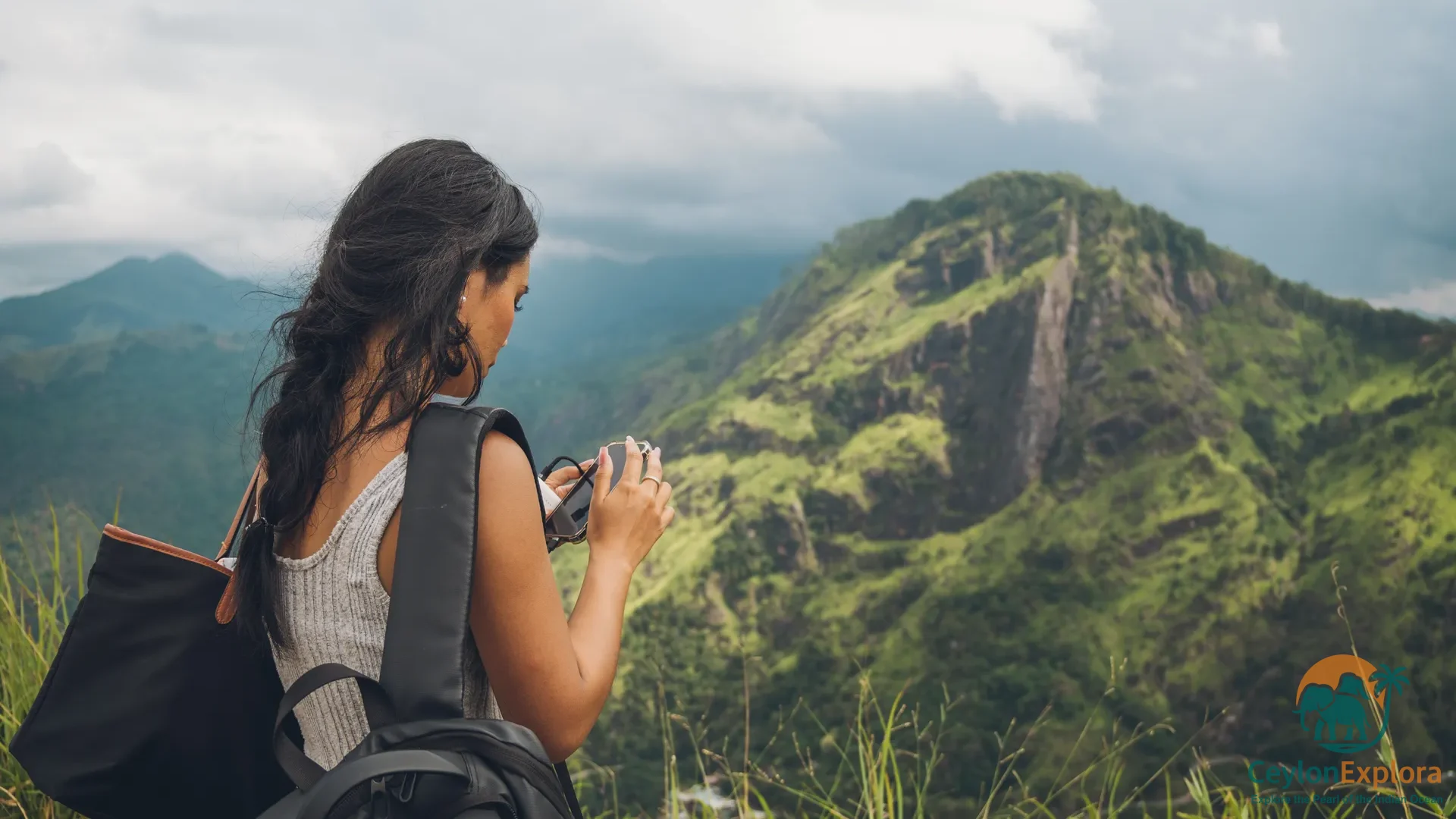

Sri Lanka is a popular destination for solo female travellers, and the majority of women who visit do so without serious incident. It is also a country where harassment of foreign women is common enough in certain contexts to require honest advance preparation. This guide covers what those contexts are, which areas have a stronger track record, what practical steps reduce risk, and what to do if something goes wrong.
The UK Foreign, Commonwealth and Development Office (FCDO) and the US State Department both list Sri Lanka as a generally safe destination for tourists, while specifically noting that sexual harassment and assault of tourists have been reported. Understanding the specific patterns is more useful than a headline risk rating.
Understanding the Harassment Pattern
The most commonly reported form of harassment is verbal: comments, questions, and persistent attention from men in public areas, on beaches, and in tuk-tuks. This occurs most in heavily touristed zones and is notably less common in rural areas, hill country towns, and temple complexes where local norms carry stronger social weight. Colombo's city centre and Galle Fort, being urban environments with a professional population, generally have a lower street harassment rate than beach towns like Hikkaduwa or Mirissa during peak season.
More serious incidents, including groping and sexual assault, have been reported by travellers at beaches, on overnight trains, and in guesthouses, primarily in coastal areas on the south and west coasts. The beach incidents are disproportionately at quieter, less supervised stretches rather than the main beach in front of hotels. The overnight train incidents typically involve sleeping compartments or unreserved carriages rather than the main day train services. These are not reasons to avoid Sri Lanka, but they are reasons to take specific precautions.
Hidden Agendas, "Beach Boys," and Random Street Contacts
In coastal towns along the south and west coasts, particularly Hikkaduwa, Unawatuna, and Mirissa, solo women often encounter informal local hustlers known locally as "beach boys," as well as unofficial touts near beaches and tourist landmarks. Many appear very friendly, speak good English, and offer unsolicited help, surf tips, restaurant recommendations, or conversation.
While genuine hospitality exists in Sri Lanka, overly persistent friendliness from strangers on the street or beach often carries a hidden agenda: commission steering, overpriced tours, financial expectations, or unwanted romantic advances. Keep boundaries firm with a polite, clear "No, thank you" and walk away without lingering. Whenever you need directions, transport, or assistance, always turn to uniformed hotel staff, your vetted driver-guide, a licensed site guide, or the Tourist Police (1912) rather than random street workers.
Areas and Their Relative Safety Profile
Colombo
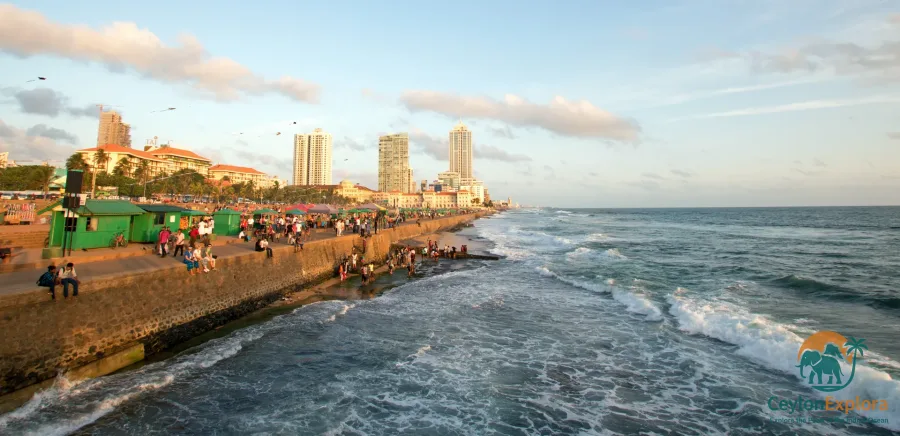
Colombo's commercial districts (Kollupitiya, Bambalapitiya, Cinnamon Gardens) are safe to walk during the day and until mid-evening. The Pettah market area is crowded and high-contact; a firm posture and deliberate movement is enough for most situations. Stick to established ride-hailing apps after dark: PickMe and Uber both operate in Colombo and show the driver's name, photo, and vehicle registration before you get in. Solo walking after midnight in any district is not advisable regardless of gender.
Galle Fort
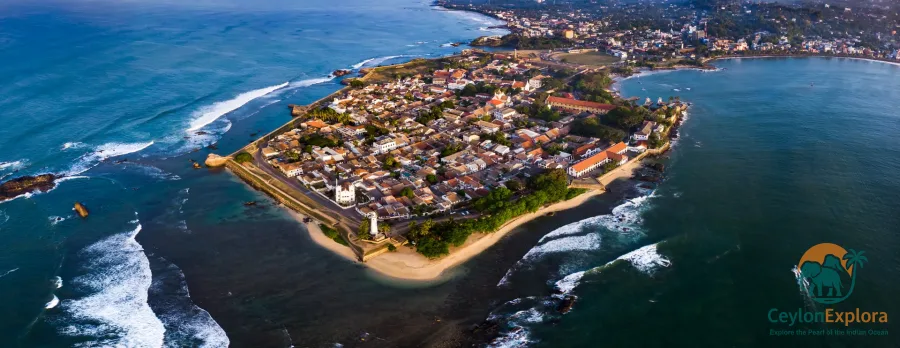
The walled fort area has a strong safety record. The mixed population of residents, boutique hotel guests, and day visitors creates a busy, supervised environment. Women report walking the ramparts and the streets within the fort at any time of day without significant issues. The bus station immediately outside the fort walls is more chaotic; use a ride-hailing app (PickMe or Uber), or have your hotel or driver arrange a car, rather than waiting at bus ranks alone.
Hikkaduwa and Mirissa
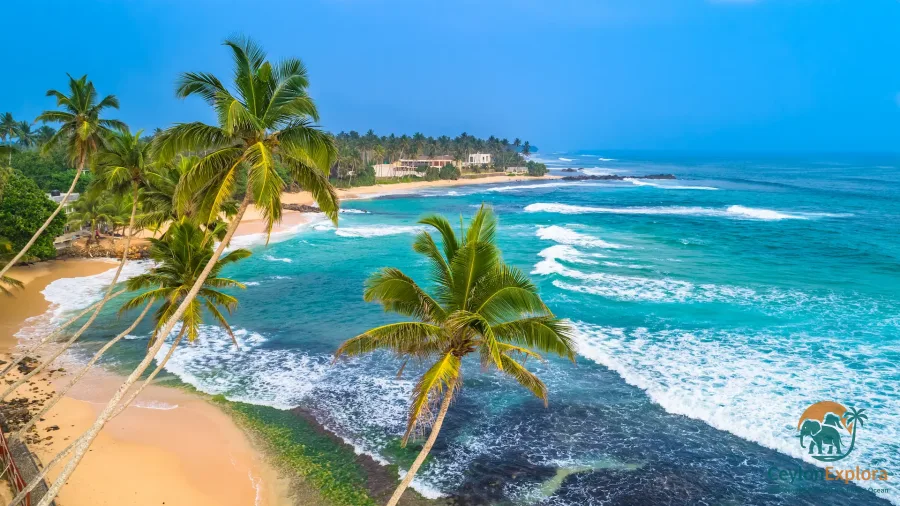
These are the south-west coast party beach towns and generate the highest proportion of harassment reports per visitor. The concentration of beach bars, alcohol, and male attention from both Sri Lankan and foreign visitors creates a higher-risk environment than anywhere else in the country. This does not mean avoid them; it means be deliberate: swim in front of occupied hotel beaches rather than quiet stretches, use hotel transport or a ride-hailing app (PickMe or Uber) after dark, and if someone following you is persistent, move toward a staffed venue rather than continuing to walk.
Hill Country (Kandy, Nuwara Eliya, Ella)
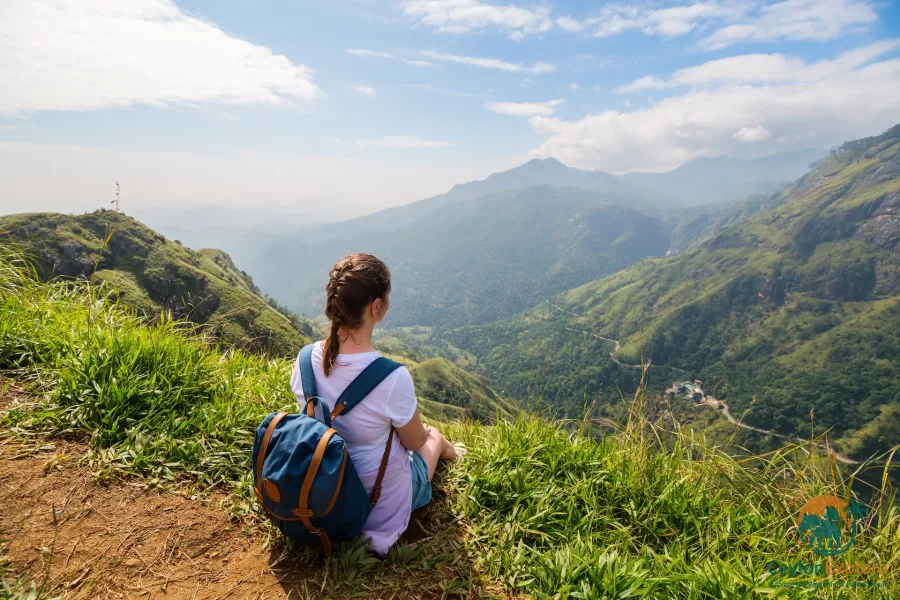
Ella and Nuwara Eliya are among the most comfortable areas for solo female travellers. The social dynamics in small hill country towns are different: staring is common but active harassment is less so. Kandy's temple area and the city's main streets are busy enough that walking during the day is unremarkable. The lake area is fine during the day; avoid the less-populated side streets around the lake after dark.
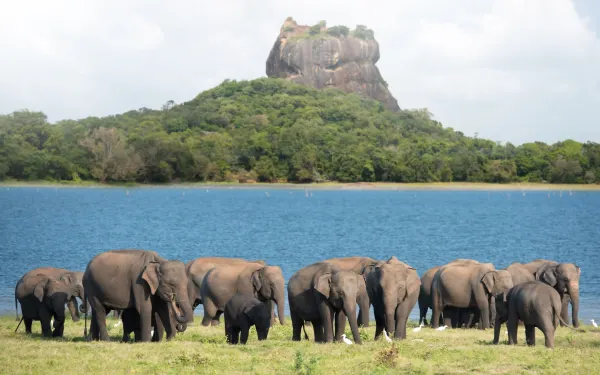
Cultural Triangle (Sigiriya, Dambulla, Polonnaruwa)

The main archaeological sites are safe and well-staffed. The surrounding areas between sites, including guesthouses on quiet rural roads, have generated some reports of unwanted attention from guesthouse staff. Booking accommodation with clear online reviews, where other solo female travellers have recently stayed, is a more reliable filter here than anywhere else in the country.
East Coast (Trincomalee, Pasikudah, Arugam Bay)
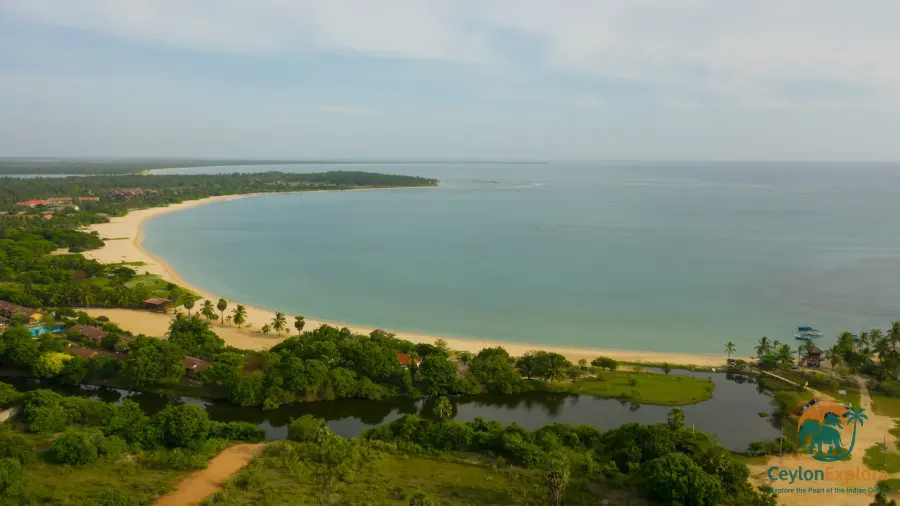
Arugam Bay (surf town on the east coast) has a strong international traveller community and a generally positive reputation for solo female travel in the backpacker demographic. Trincomalee's beach areas are more locally oriented and can involve more persistent attention. Pasikudah's resort zone is controlled and quiet.
Transport and Group Travel Safety
Travelling with a Vetted Tour Company and Dedicated Driver

For solo women, booking through a registered, well-vetted tour company with a dedicated private vehicle and professional driver-guide is the single strongest safety measure you can take. You receive your driver's name and vehicle details in advance, the same vetted professional stays with you from airport pickup to departure, and you never wait at bus ranks, bargain with street drivers, or handle luggage alone in unfamiliar towns. With Ceylon Explora, you can also request a female driver.
Female Group Travel Is Safer
While solo female travel in Sri Lanka is very manageable with proper planning, travelling as a small group of women (friends, sisters, or a mother-daughter trip) is noticeably safer and more comfortable. You attract far less unsolicited street attention, share evenings out without walking alone, and enjoy coastal towns and nightlife with built-in company.
Evening Travel and Short City Rides
Do not walk alone at night on dark beach paths, quiet side streets, or unlit roads in any town. When dining out in Colombo, Kandy, or Galle, have your hotel concierge arrange a trusted hotel car, use your tour driver, or book via PickMe or Uber (which operate reliably in Colombo and major cities with driver ID, vehicle plate, and live trip-sharing). Avoid flagging down random roadside tuk-tuks after dark, and avoid intercity public buses or unreserved overnight trains when travelling alone. If you take the scenic highland train between Nanu Oya and Ella during the day (note that the direct Kandy to Ella line remains closed for repairs as of November 2026), book a daytime reserved seat and have your driver drop you at Nanu Oya and meet you at Ella with your bags.
Accommodation: Choose Star-Class Hotels
Where you sleep shapes your entire sense of security in Sri Lanka. Star-class hotels (3-star to 5-star) and established, reputable boutique resorts are consistently the safest choice for women travelling alone or in small female groups. They operate with 24-hour staffed reception, trained security teams, proper internal deadbolts, well-lit grounds, and clear management accountability.
Avoid cheap homestays, unvetted budget guesthouses on quiet side lanes, and isolated beach huts or jungle cabins staffed by a single caretaker with no other guests on site. When booking through Ceylon Explora, we pre-vet every property on your route so you stay in secure, comfortable star-class hotels with reliable staff and safe evening access.
Dress and Cultural Expectations
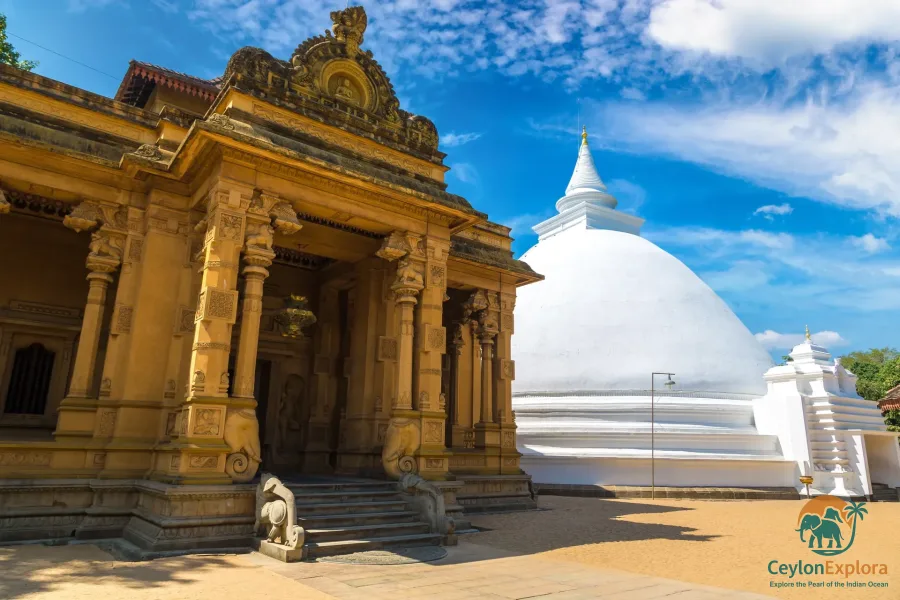
Sri Lanka is a conservative Buddhist country. Covering shoulders and knees is required at all religious sites and in many rural communities. At beach towns, swimwear is appropriate on hotel-fronted beaches; covering up once you leave the beach area reduces attention significantly. A lightweight linen shirt or sarong carried in a day bag costs nothing and makes a noticeable difference in how you are treated in town.
This is pragmatic advice, not a moral position. The correlation between coverage and reduced street attention is real and documented by every experienced solo female traveller in Sri Lanka. What you wear on a private beach or resort property is your business; what you wear walking through coastal towns in the evening affects the quality of that walk.
Legal Position on LGBTQ+ Travel
Same-sex sexual activity remains criminalised in Sri Lanka under Sections 365 and 365A of the Penal Code. Section 365 carries a maximum of ten years imprisonment; Section 365A ("gross indecency", the provision most commonly applicable to same-sex intimacy between women) carries a maximum of two years. The law is not frequently enforced against tourists, and Colombo has a discreet LGBTQ+ social scene. However, public displays of affection between same-sex couples carry legal risk. LGBTQ+ travellers, including solo women in same-sex couples, should be aware of this legal context. There is no discrimination protection in place. The FCDO explicitly lists Sri Lanka's legal position in its travel advice.
If Something Goes Wrong
Tourist Police: Sri Lanka has a dedicated Tourist Police unit reachable on 1912 (the Tourist Police hotline). Officers are typically more experienced with foreigner-reported incidents than local police stations and are available at major tourist sites. The main Tourist Police station in Colombo is on Galle Road, Colombo 03, near Galle Face.
Your country's embassy: Register your travel with your home country's embassy before arrival if that service is available (the US State Department's STEP programme and the UK's Travel Aware registration are both free). In a serious emergency, your embassy or consulate can provide assistance with legal representation, hospital notifications, and emergency travel documents.
Hospital access: Private hospitals in Colombo (Lanka Hospitals, Asiri Central, Nawaloka) have English-speaking staff and accept international insurance. Outside Colombo, the National Hospital in Kandy and the Teaching Hospital in Karapitiya (Galle) are the best equipped government facilities. Keep your travel insurance documents accessible on your phone.
Documentation: If you report an incident to police, insist on a formal written complaint and obtain your own copy before leaving the station. An incident number is required for insurance claims and for any follow-up with your embassy.
Practical Preparation
Download and register PickMe and Uber before arrival. PickMe now accepts foreign phone numbers, with verification sent via WhatsApp, so you do not need a local SIM to register it. Dialog and Mobitel both have desks in the arrivals hall if you want a local number for other purposes.
Save the Tourist Police number (1912) and your accommodation's direct phone number in your contacts before going out each day.
Share your daily itinerary with someone at home, or use a location-sharing app for real-time visibility.
Book accommodation for your first night before arrival, even if you prefer flexibility afterward. Arriving in a new country without a confirmed address for your first night is unnecessary risk.
Pick up a local SIM card (Dialog or Mobitel) at the Colombo airport arrivals hall so you have reliable data, WhatsApp contact with your driver-guide, and live maps throughout your trip.
Why Plan Ahead and Use a Reputed Company
Most of the risks in this guide come from improvising: getting into a car with a driver you know nothing about, choosing a room from a thumbnail photo, or settling a fare or a shopping stop with strangers across a language barrier. Planning ahead and using a reputed company for your rides, stays, day-to-day activities, site visits and shopping removes most of that.
That is how Ceylon Explora works. You get a dedicated vehicle and a professional driver-guide for the whole trip, so you are never negotiating with random people at the roadside, and we can arrange a female driver on request. We evaluate the hotels you are considering, or help you choose ones that are safe and give a good experience. Local knowledge shapes each day, from what time to reach a site to where to stop, and you deal with one team from start to finish.
Planning Your Solo Trip
Sri Lanka rewards solo female travellers who plan deliberately rather than improvising. The difference between a frustrating and an enjoyable trip often comes down to accommodation choices, transport decisions, and a realistic read of which areas demand more care. For the current overall picture, see our Sri Lanka Safety Rating. Contact Ceylon Explora at hello@ceylonexplora.com or via WhatsApp at +94 71 777 7558. Tell us your dates and the places you have in mind, and we will plan the route, book your hotels at good rates with a choice of options, arrange a dedicated driver-guide for the whole route, and flag the practical nuances that most generic guides miss. All you have to do is enjoy the tour from start to finish.





From Fellow Travellers
Comments
No comments yet
Been here, or planning your own trip? Share your experience below and help the next traveller.
Leave a Comment
Comments are reviewed before publishing. No links, please. Email is optional and never shown.